
What Is THCA?
The complete science and practical guide to THCA flower.
THCA Is the Raw Cannabis Cannabinoid
THCA (tetrahydrocannabinolic acid) is a naturally occurring cannabinoid found in raw cannabis and hemp plants. It's the direct precursor to Delta-9 THC, the primary psychoactive compound in cannabis. The key word here is "acid." In its raw, unheated form, THCA is non-intoxicating. You can consume raw cannabis without getting high. But apply heat, and everything changes.
This is the entire foundation of THCA flower as a legal product under the 2018 Farm Bill. When you grow hemp that's high in THCA but stays below the 0.3% Delta-9 THC threshold by dry weight, it's federally legal hemp. The moment you smoke it, the heat converts that THCA into Delta-9 THC through a process called decarboxylation. Then you experience the full psychoactive effects of cannabis.
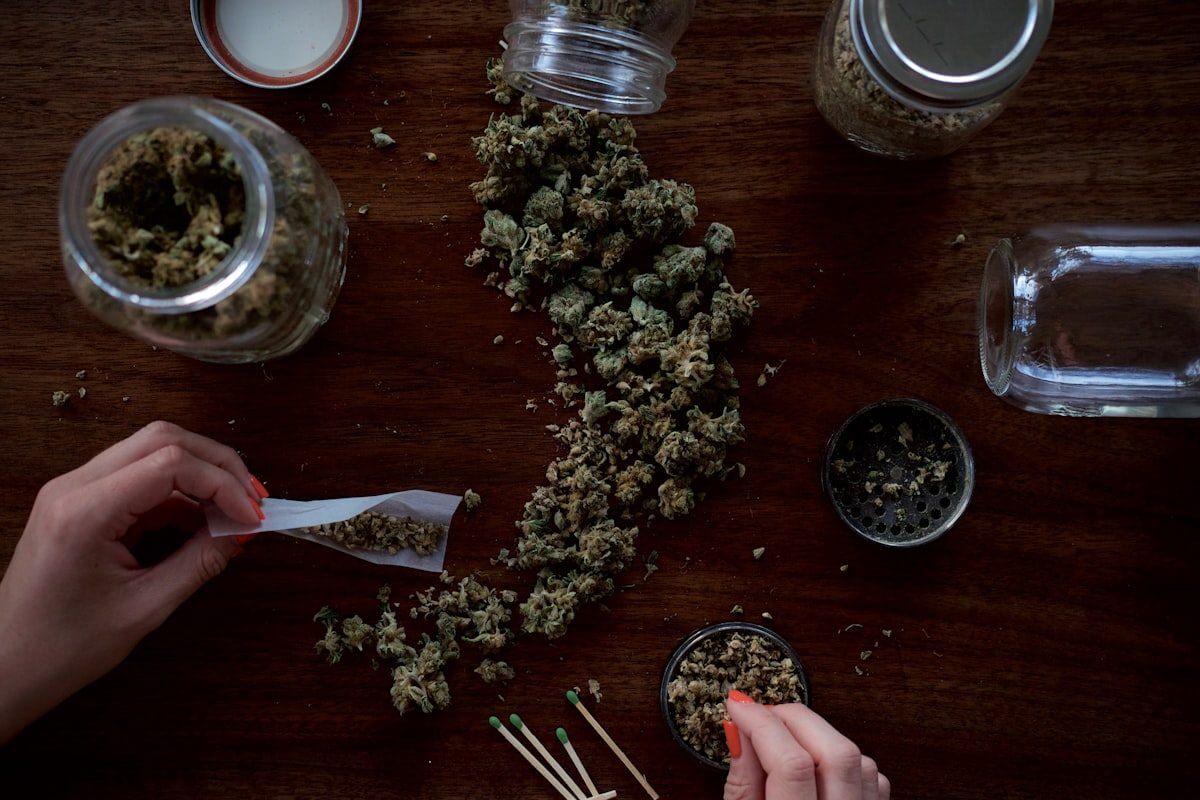
The Molecular Structure: Why THCA Isn't THC
THCA and Delta-9 THC are chemically similar. They're nearly identical molecules, but with one crucial difference: THCA has an extra carboxyl group (COOH) attached to its structure. This tiny molecular difference changes everything about how the body processes it.
THCA doesn't bind effectively to CB1 and CB2 cannabinoid receptors in your brain and body the way THC does. Without that binding, there's no high. No euphoria. No altered perception. The carboxyl group acts as a lock that keeps the psychoactive effects locked away.
Heat removes that carboxyl group through oxidation. This decarboxylation is spontaneous and irreversible. The moment flame touches the flower, THCA becomes Delta-9 THC, and your nervous system recognizes it as the real thing.
Decarboxylation: How Heat Transforms THCA into THC
Decarboxylation is the chemical process where heat removes that carboxyl group from THCA, converting it to active Delta-9 THC. This happens instantly when you smoke or vape cannabis. It also happens in ovens when you make edibles, or in a vape chamber when the flower heats to the right temperature.
The process requires sustained heat, typically between 220°F and 350°F depending on the method. Smoking achieves this immediately because the cherry of a lit joint or bowl reaches 500°F+, far exceeding the threshold. Vaping at the right temperature (around 350°F) converts THCA efficiently without combustion. Cooking cannabis in a kitchen oven at 240°F for 30 minutes will fully decarboxylate it before infusing into butter or oil.
The catch: if you're subject to drug testing, decarboxylation of THCA is the problem. Once converted to THC, your body metabolizes it into THC-COOH, the exact metabolite that urine and saliva tests look for. So yes, smoking THCA flower will make you fail a standard drug test. If you're in a position where drug testing is a concern, this product is not for you.
Why Indoor Cultivation Matters for THCA Potency
THCA content isn't determined by luck. It's determined by cultivation conditions. Cannabis varieties have genetic potential for THCA production, but that potential is only realized under optimal growing conditions. This is where indoor cultivation separates premium from commodity.
Indoor facilities allow precise control over temperature, humidity, light spectrum, light cycle length, CO2 concentration, and nutrient delivery. Modern cannabis breeding has focused on THCA-dominant genetics, and those genetics express maximum potency only under tight environmental control. An indoor grow can maintain 28%+ THCA. An outdoor or greenhouse grow might hit 18%.
DRUGS grows exclusively indoors because the difference is undeniable. Higher THCA means you need less flower for the same effect. Better terpene profiles emerge under controlled light spectra. Trichome development is more uniform. The flower is denser and more stable during shipping. From genetics to harvest, indoor is where premium THCA is made.
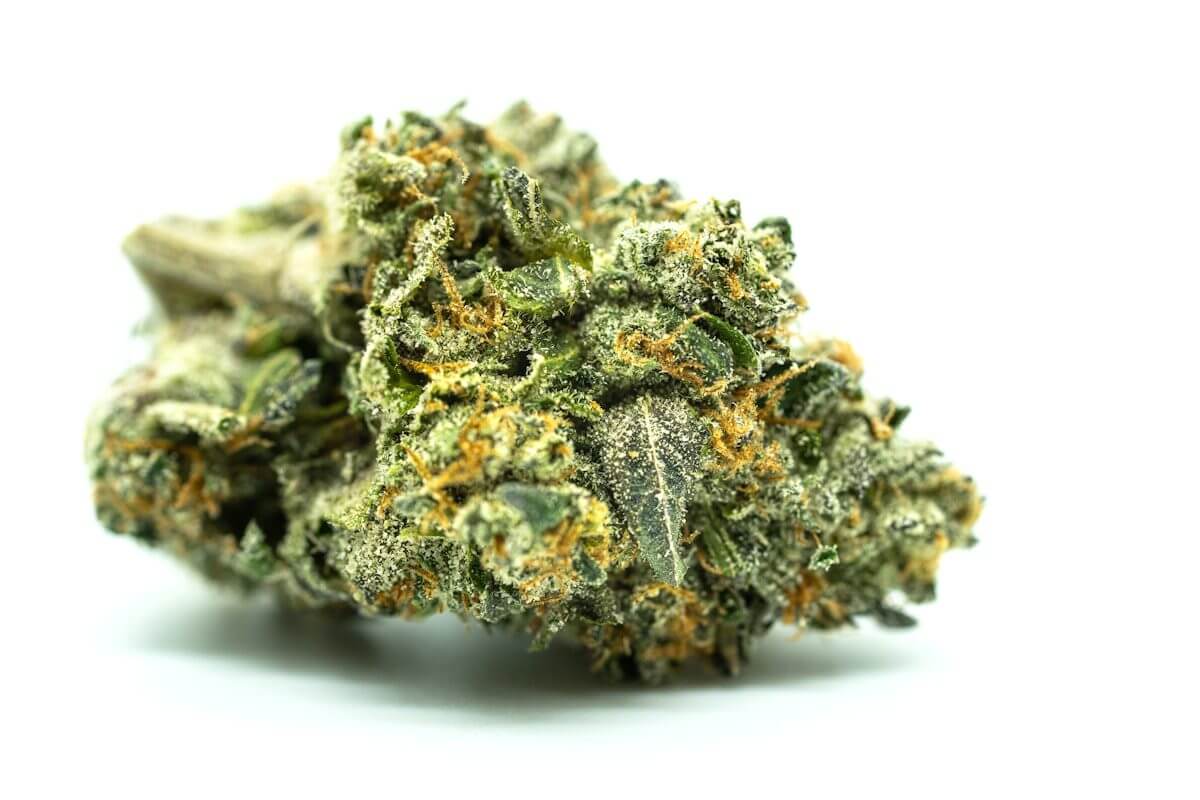
The Effects of THCA When Decarboxylated
Once THCA converts to Delta-9 THC through smoking or vaping, you're experiencing classic cannabis effects. These vary by strain, individual tolerance, and consumption method, but the range includes relaxation, euphoria, altered perception of time, enhanced sensory perception, creativity, appetite stimulation, and sleep aid. Some people experience anxiety or paranoia at higher doses. These are normal cannabis effects, not product defects.
DRUGS offers three strains with distinct effect profiles:
- Ribbit Reserve (Hybrid, 31.58% THCA): Elevated, grounding, and cerebral. A bold, layered profile with earthy funk, citrus peel, pepper, and a diesel edge. The headspace is lifted while the body stays grounded. Built for those who gravitate toward unusual, premium expressions.
- Velvet Sweets (Indica, 31.47% THCA): Luxurious, balanced, and seductive. A candy-forward profile of sugary fruit, berry, and cream with a silky gassy finish that adds weight and sophistication. Opens plush, settles rich. Built for indulgence with structure.
- Grand Cru OG (Indica, 32.85% THCA): Commanding, composed, and full-body. The signature gas profile with fuel, pine, lemon peel, pepper, and skunky kush depth. Timeless structure, unmistakable authority. Built for those who appreciate heritage and power.
Individual results vary. Start low and go slow, especially if you're new to cannabis or if you're trying a new strain or consumption method. 3.5 grams (one eighth) is a standard serving size, though experienced users may consume more.
Legality Under the 2018 Farm Bill
THCA flower is legal at the federal level because of a loophole in the Agriculture Improvement Act of 2018 (the Farm Bill). The Farm Bill legalized hemp, defined as cannabis with less than 0.3% Delta-9 THC by dry weight. The law doesn't mention THCA or any other cannabinoid, only Delta-9 THC.
This creates a legal gray area. You can grow and sell hemp that's 30% THCA (as long as it's under 0.3% Delta-9) because technically you're complying with the law. The moment you smoke it and convert that THCA to THC, you're producing a controlled substance in your own body. But that's your choice as an adult.
All DRUGS products are Farm Bill compliant. Every batch is tested by a third-party ISO 17025 accredited lab, and all products confirm less than 0.3% Delta-9 THC. However, state laws vary widely. Some states have explicitly banned THCA. Others allow it. It's your responsibility to verify your local laws before purchasing. We do not ship to states where THCA is restricted.
How to Consume THCA Flower
THCA flower is consumed like any cannabis flower. The goal is to apply heat to trigger decarboxylation and convert THCA to active THC. Here are the main methods:
Smoking (Joint, Blunt, Pipe, Bong)
The most direct method. Grind the flower, pack it, and light it. The combustion instantly converts THCA to THC. Effects are immediate (within seconds to a minute) and peak within 15 minutes. The high typically lasts 2-4 hours. Smoking provides the most control over dosing because you can take single hits and feel the effects almost immediately, adjusting as needed. The downside: combustion produces smoke and all the associated risks of inhaling burned plant material.
Vaping (Dry Herb Vaporizer)
A dry herb vaporizer heats flower to a specific temperature without combustion. Efficient vaporizers target 350-380°F for maximum THC conversion with minimal plant matter combustion. Vaping produces vapor, not smoke, which is generally considered smoother and easier on the lungs. Effects are slightly slower than smoking (2-5 minutes) but last similarly. Vapes allow precise temperature control and can extend the same amount of flower across multiple sessions because the vaped flower retains some potency. High-quality vapes are more expensive upfront but economical over time.
Dabbing Concentrates Made From THCA Flower
Cannabis concentrates like rosin can be made from THCA flower and consumed via dab rig (water pipe designed for concentrates). This is high-intensity consumption. Small amounts of concentrate contain very high THC content after decarboxylation. Effects are immediate and intense. Dabbing is not recommended for casual users or beginners; reserve it for experienced cannabis consumers with high tolerance.
Infusions and Edibles (Advanced)
You can decarboxylate THCA flower in an oven (240°F for 30 minutes), then infuse the decarboxylated flower into coconut oil, butter, or other fats for cooking. The resulting edibles provide long-lasting effects (4-8 hours) because the THC is absorbed through the digestive system rather than the lungs. Onset is slower (30 minutes to 2 hours) but effects are more intense and sustained. Edible dosing requires precision and restraint. It's easy to consume too much and experience uncomfortable effects. Start with small amounts.
Topping Other Products
You can grind THCA flower and add it to joints, bowls, or vape sessions to increase potency. Many users mix strains this way to customize the effect profile. This is straightforward and effective. Just add decarboxylated THCA flower to whatever consumption method you prefer.
Storage and Preservation
THCA flower is stable in its raw form and doesn't decarboxylate simply from sitting around. You can store it long-term without degradation of THCA content. What you do need to protect are the terpenes: the aromatic compounds that give cannabis its flavor and contribute to effects.
Store your DRUGS flower in its sealed glass jar in a cool, dark place away from direct sunlight, heat sources, and moisture. Ideal storage temperature is 60-70°F with low humidity. Avoid refrigeration or freezing. Temperature fluctuations cause condensation and can damage delicate trichomes. Properly stored flower maintains optimal potency, flavor, and aroma for 3-6 months.
THCA vs. Delta-8, Delta-10, and Other Cannabinoids
The legal cannabis market includes several minor cannabinoids and alternative forms of THC. Here's how THCA stacks up:
- Delta-9 THC: The primary psychoactive cannabinoid. What you get when you smoke THCA flower. Full spectrum cannabis effects. Federally restricted but legal in many states for adult-use.
- Delta-8 THC: A different isomer of THC. Produces similar but reportedly milder effects. Often synthesized from CBD because it's rare in flower. Legal federally under the Farm Bill loophole. Weaker than Delta-9.
- Delta-10 THC: Even rarer, even milder. Synthetically derived. Federally legal but emerging science. Not as well understood as Delta-9 or Delta-8.
- CBD (Cannabidiol): Non-intoxicating cannabinoid. Often balanced with THCA in full-spectrum products. May provide complementary effects. DRUGS strains are THCA-dominant with some CBD present.
- CBG (Cannabigerol): Non-intoxicating precursor cannabinoid. Emerging research suggests potential benefits. Present in all cannabis in small amounts. DRUGS products are tested for CBG content.
THCA flower is the most potent and full-spectrum legal cannabis option available. When you smoke it, you're getting real Delta-9 THC, not a synthetic analog, not a weaker alternative, and not a marketing angle. It's the real deal.
Lab Testing and Safety
The only way to know what's actually in your THCA flower is third-party lab testing. DRUGS tests every batch for:
- Cannabinoid profile (THCA, Delta-9 THC, CBD, CBG)
- Heavy metals (lead, arsenic, cadmium, mercury)
- Pesticides (both banned and approved for agriculture)
- Microbial contamination (bacteria, fungi)
- Mycotoxins (mold toxins)
- Residual solvents (if any processing was used)
Full Certificates of Analysis (COAs) are published on our Lab Results page for every product and batch. If you buy THCA flower from any vendor (not just DRUGS), demand to see the lab report. If they won't provide it, the product isn't worth smoking. Find out more about why lab testing matters in our guide to understanding lab results.