
Why Lab Testing Matters
The science behind safety, potency, and transparency.
You Can't See Mold. You Can't Smell Pesticides.
THCA flower looks great in photos. It feels dense and fresh in your hand. It smells amazing when you open the jar. But none of that tells you whether it's safe to smoke.
You can't see E. coli bacteria with the naked eye. You can't smell heavy metal residue. You can't taste mycotoxins (the toxins produced by mold) even if the flower looks perfect on the outside. Contamination is invisible until you test for it. And if you don't test, you don't know. That's not acceptable for a product you're putting in your lungs.
This is why third-party lab testing is non-negotiable for any legitimate cannabis brand. Testing is the only way to verify what's actually in the product. It's the only way to know if it's safe. And it's the only way to know if you're getting what you paid for.
What Third-Party Lab Testing Means
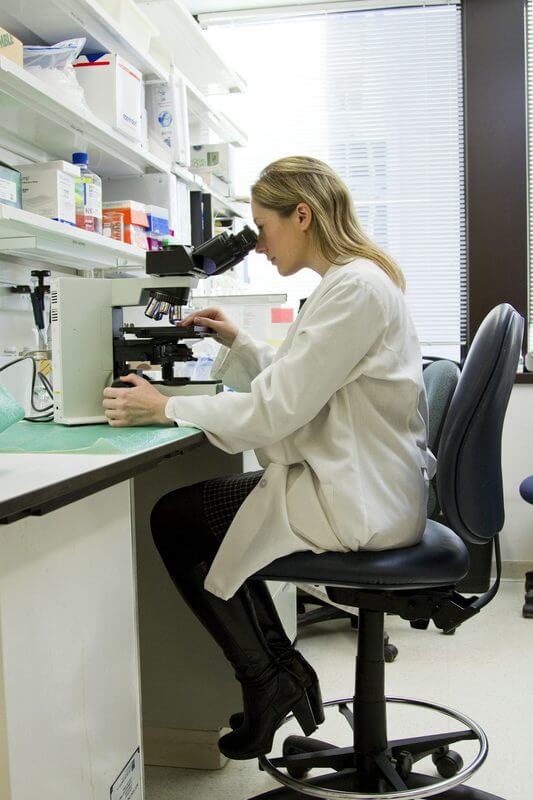
"Third-party" means the testing lab is independent of the brand selling the product. The lab isn't owned or controlled by DRUGS. It's an external organization with its own reputation and credentials on the line. This independence matters because it removes the conflict of interest. A vendor can't pressure a third-party lab to hide bad results or exaggerate potency.
Labs use analytical instruments like HPLC (High-Performance Liquid Chromatography) for cannabinoid analysis, mass spectrometry for detection of microbials and heavy metals, and other validated scientific methods. Every test method is documented and reproducible. The results are either accurate or they're wrong. There's no middle ground.
Reputable brands test every batch. Not every year. Not "when we remember." Every single production run gets tested because consistency matters, and potency varies batch to batch based on minor growing variables. DRUGS tests each new batch independently.
ISO 17025 Accreditation: The Standard That Matters
ISO 17025 is an international standard that certifies laboratory competence. Labs that achieve ISO 17025 accreditation have demonstrated that their procedures, equipment, staff training, and quality controls meet rigorous global standards. The accreditation isn't given out casually. Third-party auditors review everything.
When you see ISO 17025 accreditation on a cannabis lab's credentials, it means:
- The laboratory has documented, validated procedures for every test
- Equipment is regularly calibrated and maintained
- Staff are trained and certified in test methods
- Results can be traced to national and international standards
- Quality assurance is built into every step
- The lab is subject to independent audits
Not all cannabis labs are ISO 17025 accredited. Many are state-licensed labs that meet minimal state requirements but haven't pursued international accreditation. Some aren't certified at all. The difference in credibility is enormous. If a lab claims to test cannabis products but doesn't hold ISO 17025 accreditation, ask why. The answer usually isn't reassuring.
All DRUGS testing is performed by ISO 17025 accredited laboratories. This is the baseline standard we hold ourselves to.
What a Certificate of Analysis (COA) Actually Shows
A Certificate of Analysis (COA) is the official lab report for a batch of cannabis. It's a document that details what the lab found in the product. Here's what a comprehensive COA includes:
Cannabinoid Profile
The percentage of each major cannabinoid: THCA, Delta-9 THC, CBD, CBG, and sometimes others. This is the potency data. For THCA flower, you're looking at THCA percentage (the dominant component), Delta-9 THC percentage (should be below 0.3% for Farm Bill compliance), and any other cannabinoids present. The method is usually HPLC, which separates and identifies each cannabinoid with precision.
Heavy Metals Testing
Analysis for lead, arsenic, cadmium, and mercury. These metals accumulate in plants, especially if the soil is contaminated. Even small amounts of heavy metals can build up in your body over time. Legitimate labs test for these. The results show concentration in parts per million (ppm) or micrograms per gram. Different jurisdictions set different limits, but DRUGS uses strict thresholds. If it's borderline, we reject it.
Pesticide Screening
Testing for residual pesticides. Both pesticides that are banned for cannabis and pesticides that are approved for food crops but shouldn't be in a smoked product. Labs use multi-residue methods that screen for dozens of compounds simultaneously. The report lists which pesticides were tested for and the results for each. Non-detect (ND) is what you want to see. It means the pesticide wasn't found at detectable levels.
Microbial Testing
Screening for harmful bacteria (e.g., E. coli, Salmonella) and mold (e.g., Aspergillus, Penicillium). These organisms can make you sick, especially if you have a compromised immune system. Microbial testing uses culture-based methods or rapid detection technology. The report states whether harmful microbes were detected. ND is again what you want.
Mycotoxin Testing
Mycotoxins are toxic compounds produced by mold. Aflatoxins and ochratoxins are the primary concern in cannabis. These are carcinogenic. You don't want them. Modern labs test for the major mycotoxins and report results in parts per billion (ppb). The limit varies by jurisdiction but should be very low or zero.
Terpene Profile (Optional)
Some labs include a terpene breakdown showing percentages of major terpenes like limonene, myrcene, pinene, etc. Terpenes contribute to flavor and can influence effects. Not every COA includes this, but it's valuable information when available.
Test Date and Lab Information
The COA should be dated (this is important. You want it recent relative to your purchase), the lab should be named and accredited, and there should be batch identification so you can trace the report to your specific product.
What to Look For in a Lab Report
Not all COAs are created equal. Here's how to evaluate one:
Is the lab ISO 17025 accredited?
Check the accreditation statement on the report. It should clearly state the lab's ISO 17025 status and the accrediting body (often A2LA in the US). If it doesn't mention accreditation, be skeptical.
Are the potency numbers realistic?
THCA percentages above 33% are rare. They exist but are genuinely exceptional. Most quality flower lands in the 25-32% range. If a report shows 40% THCA, the lab either has extremely exceptional genetics, or the testing methodology has an issue. Realistic numbers inspire confidence.
Are the pesticide and heavy metal results clearly stated?
Sloppy COAs list results in confusing ways or hide negative results in footnotes. Clear COAs state exactly what was tested for and whether each compound was detected or non-detect (ND). If you see a lot of ND results, that's good. It means the product is clean.
Is the batch date traceable?
The COA should reference a specific batch number or production date so you can verify the report matches your product. Some brands publish blanket reports that allegedly cover months of production. This is lazy at best, fraudulent at worst. DRUGS publishes batch-specific COAs.
Does the lab have a good reputation?
Research the lab independently. Are they well-known in the industry? Do other reputable brands use them? Are they accredited by major bodies? Some labs are fly-by-night operations that sell favorable results. Established, accredited labs have a reputation to protect.
Red Flags: Untested Products and False Claims
If a THCA brand does any of the following, don't buy from them:
No COA Available
If they won't provide a lab report, they don't know what's in the product. Or they know and it's bad. Either way, this is unacceptable. A brand that refuses transparency is not trustworthy.
One Old COA for Multiple Products
Some brands post a single COA from six months ago and claim it covers all current inventory. This is nonsense. Potency and safety vary batch to batch. They're either not testing new batches, or the results are inconsistent and they're hiding it. Either way, demand a current COA for the specific batch you're ordering.
Lab Results "Coming Soon"
If you're buying a product and the brand says lab results are "coming soon," you're a beta tester. Don't buy it until results exist. This is especially true for new strains or new vendors. Wait for the COA.
Claims of "Pesticide-Free" or "All-Natural"
Pesticides are either detected or not detected. There's no "free" except non-detect. And "all-natural" isn't a meaningful claim. All cannabis is natural, but natural doesn't mean safe. Mold is natural. E. coli is natural. These are still bad. If a brand uses vague marketing language instead of specific lab data, they're not being transparent.
Inflated Cannabinoid Claims
If a brand claims their flower is 35%+ THCA across multiple strains, be suspicious. It's possible but rare. If they're claiming this without providing accredited lab reports, they're lying or testing with non-standard methods. Real potency is backed by real lab results.
Non-Accredited or Unknown Labs
If the COA is from a lab you've never heard of and they're not ISO 17025 accredited, the results are questionable. Accreditation means something. It means independent auditors verified the lab's competence. No accreditation means no verification.
How DRUGS Tests Every Batch
Transparency is foundational to DRUGS. Here's exactly how we handle testing:
Every Production Batch Gets Tested
Not every year. Not every two months. Every single batch, from every different growing cycle and every harvest, goes to the lab before it ships. This is expensive and labor-intensive. Many brands skip this and reuse old results. We don't.
We Use ISO 17025 Accredited Labs
Our testing partners are independent third-party labs with full ISO 17025 accreditation. We don't own them, we don't control them, and they don't benefit from inflating our numbers.
Full COAs Are Published Publicly
Every Certificate of Analysis is published in full on our Lab Results page. No summaries. No cherry-picked numbers. The complete report, every test result, every detail. If you want to verify something or have questions about the data, the information is there.
COAs Match Batch Numbers
The batch number on your jar matches the batch number on the COA. If you receive a product and the COA date doesn't match your batch, contact us immediately. We'll send you the correct report within 24 hours. This traceability is non-negotiable.
We Test For Everything That Matters
THCA and Delta-9 THC potency, CBD, CBG, heavy metals (lead, arsenic, cadmium, mercury), pesticides (full residue panel), microbials (bacteria, mold), and mycotoxins. We don't cut corners on safety.
We Reject Batches That Don't Meet Our Standards
If a batch comes back with heavy metals, pesticides, or microbial contamination, we don't ship it. If a batch is below our THCA threshold, we don't sell it. If anything is borderline or concerning, we investigate and reject if necessary. This happens rarely, but when it does, we do the right thing. Our customers never see a compromised product.
Understanding the Numbers: A Sample COA Breakdown
Here's what a real COA might look like and what each number means:
| Analyte | Result | What It Means |
|---|---|---|
| THCA | 28.4% | High potency, excellent. |
| Delta-9 THC | 0.18% | Below 0.3% threshold, Farm Bill compliant. |
| CBD | 0.12% | Minimal CBD, this is THCA-dominant. |
| Lead | ND (<0.1 ppm) | Not detected. Good. |
| Pesticides (Full Panel) | All ND | No pesticide residues detected. Clean product. |
| E. coli | ND | Not detected. Safe to smoke. |
| Aflatoxins | ND (<2 ppb) | Not detected. No mold toxins. |
This is a clean, high-potency report. The flower is legitimate, safe, and ready to smoke.
Why Testing Protects You
Lab testing isn't bureaucratic red tape. It's health insurance. Here's what it protects you from:
Heavy Metal Buildup
Lead, arsenic, and cadmium accumulate in your body over time and cause neurological damage, organ damage, and cancer. One contaminated batch might not harm you. But if you're a regular user and the brand never tests, you could be exposing yourself to years of accumulation. Testing ensures every batch is clean.
Mold and Mycotoxin Poisoning
Inhaling mold spores can trigger respiratory infections, asthma, or allergic reactions. Mycotoxins like aflatoxins are carcinogenic. These are real health risks. Testing detects them before you inhale.
Pesticide Exposure
Some pesticides are neurotoxic. Others are suspected carcinogens. Smoking contaminated flower directly exposes your lungs to these compounds. Testing ensures they're not present.
False Potency Claims
You might buy flower marketed as 30% THCA that's actually 18% THCA. You'd use more to get the same effect, wasting money and potentially using more than intended. Lab testing verifies potency so you know exactly what you're buying.
Confidence and Transparency
Most importantly, lab testing is how a brand demonstrates it has nothing to hide. When a company publishes full COAs, they're saying: we tested this, we're confident in the results, and we trust you to see them. That's the opposite of hiding behind marketing language.