
What Is Rosin?
The solventless concentrate revolution explained.
Rosin Is Cannabis Concentrate Without Solvents
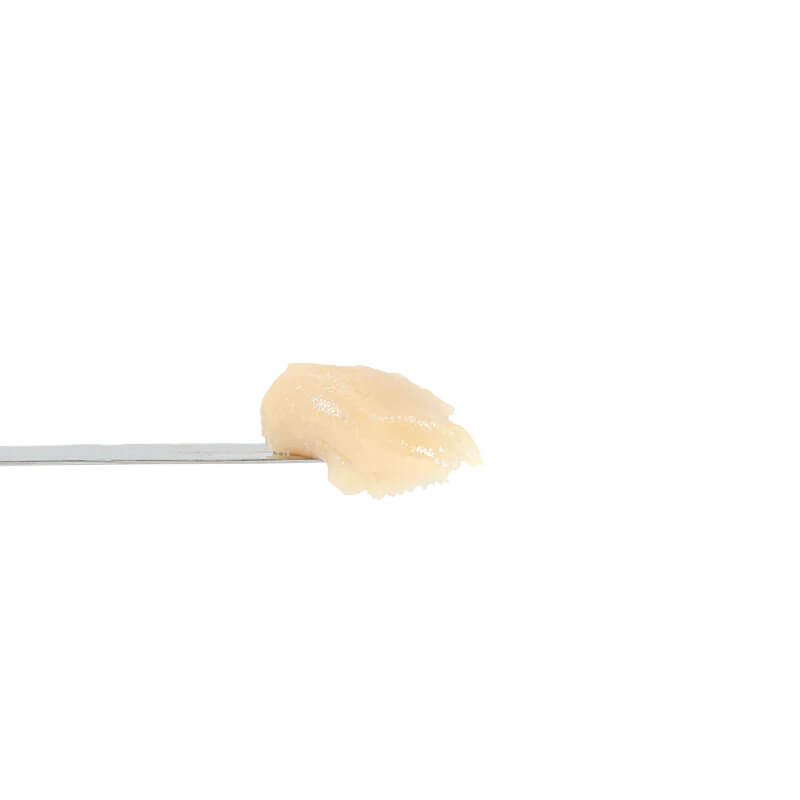
Rosin is a cannabis concentrate made by pressing flower (or hash) under heat and pressure to extract cannabinoids and terpenes. That's it. No solvents. No chemicals. No complex extraction equipment. Just flower, heat, pressure, and a small amount of extremely potent material comes out the other side.
In this sense, rosin is shockingly simple. But that simplicity is also its power. By avoiding solvents, rosin preserves a full terpene profile, contains no residual solvent contamination, and delivers a more complete cannabis experience than solvent-based extracts. It's why rosin has become the gold standard in the cannabis concentrate market.
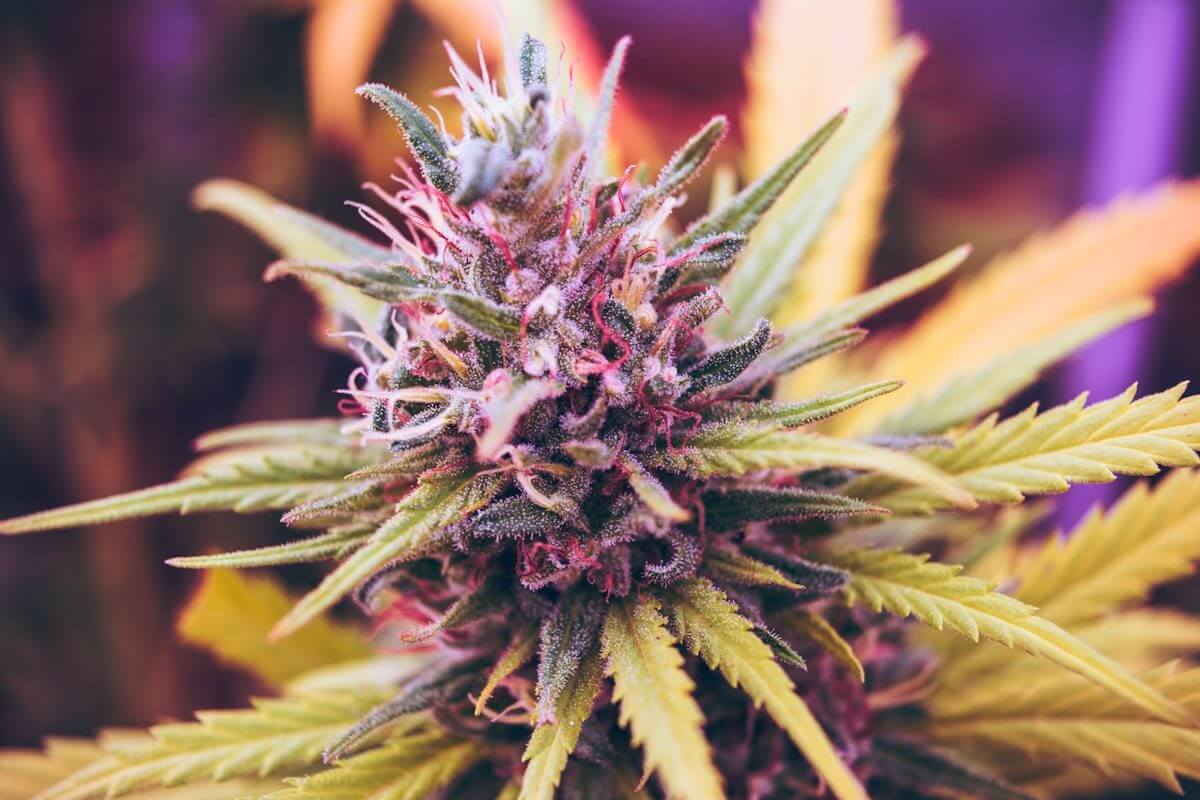
The basic science: cannabis flowers contain cannabinoids and terpenes in resinous glands called trichomes. These compounds have low melting points. They become liquid when heated. Pressing the flower with significant pressure (2000+ pounds per square inch) and gentle heat (180-220°F depending on the material and desired result) forces those liquids out of the plant tissue. The rosin, a waxy, resinous substance, collects on the pressing surface. The remaining plant matter (called "rosin chips") is discarded.
How Rosin Is Made: Heat + Pressure, That's All
A rosin press consists of two heated metal plates. Material (flower or hash) is placed between them in a food-grade micron bag (a mesh filter that allows liquid through but catches plant matter). The press closes, applying extreme pressure while the heated plates warm the material. Pressure forces the resin out through the bag's mesh, and gravity pulls it onto a collection surface below.
The entire process takes 3-5 minutes. Temperature and pressure settings are adjusted based on the input material and desired rosin consistency (budder, badder, shatter, sauce, etc.). Lower temperatures preserve more terpenes but yield less rosin. Higher temperatures yield more material but lose some volatile terpenes.
The appeal is obvious: no hazardous solvents, no explosion risk, no toxic fumes, no chemical residue to worry about. The equipment costs more upfront (a decent rosin press can run $5,000-$30,000), but the running costs are minimal. The process is fast, repeatable, and chemically elegant.
Solvent-Based Extraction: The Alternative
To understand why rosin is special, it helps to know what traditional cannabis extraction looks like. Solvent-based extraction uses chemicals like butane, propane, ethanol, hexane, or CO2 to dissolve cannabinoids and terpenes from flower. The solvent is then evaporated off, leaving behind concentrated material (commonly called "BHO" for butane hash oil, or "shatter," "wax," "crumble," etc., depending on post-processing).
Solvent extraction can be highly efficient. It extracts more material per pound of input flower than rosin can. But it introduces complexity and risks: explosion hazard (some solvents are extremely flammable), toxic fume exposure, expensive lab-grade equipment, and the possibility of residual solvents left behind in the final product. Even with careful technique, residual solvent contamination is a real concern.
Modern solvent-based extraction uses "closed-loop" equipment that recirculates solvents and minimizes exposure, but it's still a chemical process. Rosin avoids all of this by using only heat and pressure. No solvents, no complexity, no risk.
Why Solventless Matters for Purity and Health
The elimination of solvents creates tangible health benefits:
No Residual Solvent Contamination
Solvent-based extracts can retain trace amounts of residual solvent. These are the chemicals used in extraction. A good lab will test for and eliminate these, but eliminating them requires additional processing steps. Rosin skips this problem entirely because there are no solvents to begin with. What you're consuming is just the cannabinoids and terpenes that were already in the flower.
Full Terpene Preservation
Rosin pressing at lower temperatures can preserve volatile terpenes that solvent extraction might lose. Terpenes affect flavor, aroma, and potentially contribute to effects (the "entourage effect" hypothesis). Some cannabis connoisseurs prefer rosin specifically because the terpene profile feels more complete than solvent extracts.
No Chemical Exposure Risk During Production
Rosin pressing doesn't expose the person making it to toxic fumes. Solvent extraction, even with closed-loop equipment, carries inherent risks. Rosin is safer for the people making it and the people consuming it.
Simpler, Cleaner Supply Chain
Because rosin requires fewer processing steps and no chemical inputs, there are fewer points where contamination can occur. The final product is more likely to be clean and pure.
Types of Rosin: Flower Rosin, Hash Rosin, and Live Rosin
Rosin varies based on the input material and the extraction conditions. Different inputs produce different results:
Flower Rosin (Dry Rosin)
Made by pressing dried, cured cannabis flower. This is the most straightforward rosin. You take buds, press them, and get rosin. The yield is typically 15-25% (meaning 1 pound of flower yields 2.4-4 ounces of rosin). Flower rosin is usually less terpy (terpene-forward) than other types because some volatiles are lost during the drying and curing process. But it's the most accessible type and the easiest to make. Quality varies based on input flower quality.
Hash Rosin
Made by pressing bubble hash or ice water hash (solvent-free concentrates made by agitating flower in ice water and collecting the separated trichomes). Hash rosin has a higher yield than flower rosin (25-40% yield) because the trichomes are already separated from the plant matter. The final rosin is typically more potent and more flavorful. Hash rosin is more labor-intensive to make (bubble hash extraction adds an extra step), so it's more expensive. But the quality and potency are often superior.
Live Rosin (Premium Solventless)
Made by pressing fresh, never-dried cannabis flower. Literally flower cut the day of pressing, flash-frozen immediately, and pressed while still frozen. Live rosin preserves the full terpene profile because the plant's volatile aromatics are locked in by the freeze. The result is rosin with the most intense flavor and aroma of any concentrate type. Live rosin can yield impressive potency (cannabinoid content of 60-80%+) with an intact terpene profile. This is the premium product. Expensive, highly sought-after, and considered the gold standard by concentrate enthusiasts. The downside: it's harder to make, the input material is perishable, and it requires specialized freezing equipment.
Live Rosin Sugar, Sauce, Badder, and Budder
These are consistency variations of the same rosin. Immediately after pressing, rosin is a liquid or very soft solid. As it cools, it can be whipped, stirred, or agitated to create different textures: "badder" or "budder" (creamy, spreadable), "sugar" (grainy, crystalline), "sauce" (very terpy liquid with cannabinoid crystals suspended in it), or left as "shatter" (brittle glass-like texture). The consistency doesn't change the potency or effects. It's purely a matter of texture and ease of handling.
How Rosin Is Consumed: Dabbing and More
Rosin is highly concentrated, typically 60-90% cannabinoids by weight, compared to 25-35% for flower. A small amount goes a long way. Here are the main consumption methods:
Dabbing (Dab Rig)
The most popular method. A dab rig is a water pipe specifically designed for concentrates. It has a "nail" (typically quartz, titanium, or ceramic) that heats to 400-600°F. A small amount of rosin (the size of a grain of rice to a pea, typically 0.1-0.5 grams) is placed on the nail, vaporizes instantly, and the user inhales the vapor. Effects are immediate and intense. A single dab can be equivalent to multiple joints. This method is for experienced cannabis users with established tolerance.
Vaping Concentrates
Some high-end portable vaporizers accept rosin directly in the chamber. The device heats the concentrate to vaporization temperature, producing vapor without combustion. This is smoother than dabbing and more portable, but requires a concentrate-compatible vape.
Topping Flower
A small amount of rosin can be crumbled or flaked onto flower in a joint, blunt, bowl, or vaporizer. This increases potency without requiring specialized equipment. One rosin pea on a bowl of flower can significantly enhance the experience.
Rosin Edibles (Advanced)
Rosin can be decarboxylated and infused into fats for cooking, though this is less common because rosin is already so potent that traditional rosin consumption is preferred. Some enthusiasts make rosin-infused edibles for specific dosing needs.
Why Rosin Is Considered the Premium Concentrate
In the cannabis concentrate market, rosin occupies the premium tier. Here's why:
Purity and Potency
Rosin is pure cannabis extract with no additives or solvents. The cannabinoid percentage is extremely high (60-90%), making it one of the most potent consumption forms available. A single dab delivers a powerful effect.
Terpene Preservation
Especially in live rosin, the terpene profile is more complete than solvent extracts. This means more complex flavor, more aromatic experience, and potentially more nuanced effects.
Clean Supply Chain
No solvents, no chemical processing, no intermediary steps. From flower to rosin is direct and simple. This translates to confidence in the product.
Prestige and Expertise
Making quality rosin requires skill. Temperature control, pressure timing, and material selection all require experience. A rosin maker with years of refinement produces rosin that's noticeably better than amateur attempts. This expertise carries value and prestige.
Consumer Preference
Among experienced cannabis users, rosin is often the preferred concentrate. It delivers the most complete experience: potent, flavorful, and clean. Once someone tries quality rosin, they often prefer it to solvent extracts.
Price Point
Rosin typically costs more per gram than solvent-based concentrates. But the premium price reflects the premium product: quality, potency, and prestige. For consumers willing to pay for the best, rosin is often the choice.
Rosin Safety and Quality Considerations
Rosin's solventless nature makes it inherently safer than solvent-based extracts. But there are still quality considerations:
Source Material Matters
Rosin is only as good as the flower it's pressed from. If the input flower has pesticides or heavy metals, those contaminants end up concentrated in the rosin. This is why rosin made from lab-tested, clean flower is critical. The concentration process amplifies both the good (cannabinoids and terpenes) and the bad (contaminants).
Test Your Rosin
Reputable rosin makers test their final product. Like flower, rosin should have a Certificate of Analysis showing cannabinoid potency and screening for contaminants. If rosin is being sold without lab results, be skeptical.
Storage and Stability
Rosin is less stable than flower because the terpenes are highly volatile. Store rosin in airtight containers in the refrigerator or freezer to slow oxidation and terpene loss. Over time (weeks to months), rosin will oxidize and lose potency and flavor. Use it sooner rather than later.
Dosing Caution
Rosin is potent. A dab that's too large can overwhelm even experienced users. Start small. A grain of rice-sized amount is good, then work up. Effects are almost immediate, so wait a few minutes before taking another dab if needed.
Rosin vs. Other Concentrates: A Quick Comparison
How does rosin stack up against other cannabis concentrates?
| Concentrate Type | Potency | Flavor | Safety | Price |
|---|---|---|---|---|
| Flower Rosin | 60-80% | Good | Excellent | High |
| Hash Rosin | 70-85% | Very Good | Excellent | Very High |
| Live Rosin | 70-90% | Exceptional | Excellent | Premium |
| BHO (Butane Hash Oil) | 60-90% | Good | Good (if tested) | Medium |
| CO2 Extract | 70-85% | Fair to Good | Good | Medium |
| Distillate | 80 to 95% | Poor | Good | Low |
Rosin wins on flavor, safety, and terpene preservation. Distillate is cheaper but tastes like nothing and lacks the entourage effect of full-spectrum rosin. Solvent extracts are effective but lack rosin's cleanliness and terpene profile. For the user who cares about quality and isn't concerned about price, rosin is the clear winner.
The Rosin Lifestyle: Why Enthusiasts Love It
Beyond the chemistry and potency, rosin carries cultural weight. Among cannabis connoisseurs, rosin represents craftsmanship, cleanliness, and commitment to quality. Rosin makers are often seen as artisans. People who've mastered temperature, pressure, timing, and input selection to create a product that's both scientifically excellent and aesthetically beautiful.
The ritual of rosin consumption is different too. Dabbing requires a ritual. Cleaning the nail, preparing the dab tool, lighting or heating the nail, waiting for the right temperature, inhaling the vapor. It's intentional and thoughtful, not casual like rolling a joint. This ceremony appeals to people who view cannabis as something to be savored and respected.
For serious users, rosin represents the pinnacle of cannabis consumption. It's expensive, it requires technique to use properly, and the effects are potent and well-defined. In cannabis culture, rosin is the premium product, and that prestige matters.